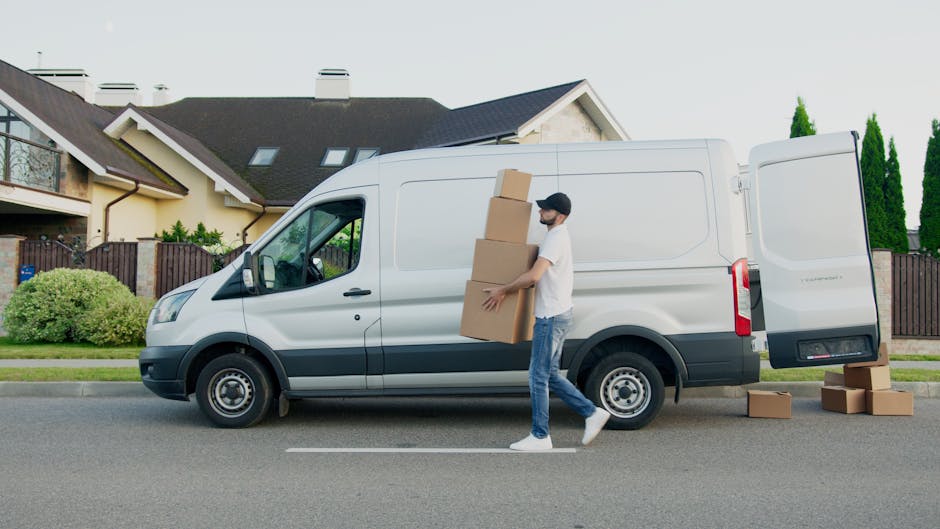
Hoe Street man with van tips for flats and walk ups
If you are moving from a flat or a walk-up on Hoe Street, you already know the tricky bit is rarely the boxes. It is the stairs, the timing, the parking, the neighbour who wants to squeeze past with a bike, and that one wardrobe that suddenly feels twice its actual weight. These Hoe Street man with van tips for flats and walk ups are designed to make the whole thing calmer, quicker, and far less awkward on the day.
Whether you are moving a studio, a shared flat, or a top-floor walk-up with narrow stairs and no lift, good planning makes a huge difference. In our experience, the best moves are not the fanciest ones; they are the ones where the details were sorted early. This guide walks you through what matters, how a man with van service normally handles flat moves, and the practical choices that save time, money, and stress.
Table of Contents
- Why it matters
- How it works
- Key benefits and practical advantages
- Who this is for and when it makes sense
- Step-by-step guidance
- Expert tips for better results
- Common mistakes to avoid
- Tools, resources and recommendations
- Law, compliance, standards, or best practice
- Options, methods, or comparison table
- Case study or real-world example
- Practical checklist
- Conclusion
- Frequently asked questions
Why Hoe Street man with van tips for flats and walk ups Matters
Flat moves are different from house moves. That sounds obvious, but it is exactly why people get caught out. A ground-floor house in a quiet road gives you different logistics to a third-floor flat above shops on a busy stretch of Hoe Street. A van can be ready on time, the crew can be careful, and still the move can drag if you have not thought through access.
Walk-ups add another layer. No lift means every item must be carried up or down stairs, often in a tight chain of turns. That changes how furniture is wrapped, how many trips are needed, and how much time should be allowed. A move that looks simple on paper can become a slog by 11 a.m. if the route from the front door to the van is blocked by bins, railings, or parked cars.
So why do these tips matter? Because a smart flat move is really a planning exercise. The move itself is the last mile. Before that comes access, timing, load order, box weight, and a realistic idea of what a team can safely carry. Get those right and you reduce delays, reduce damage, and reduce the sort of day where everyone ends up a bit flustered and sweaty. It happens. Let's be honest.
A good man and van arrangement is often ideal for flats and walk-ups because it is flexible. You are not paying for a huge rigid setup you do not need, and the service can be scaled to the number of items, the size of the stairwell, and the time required. If you want to understand the broader service model first, it can help to look at the man with van approach and the wider removal services available.
How Hoe Street man with van tips for flats and walk ups Works
The basic process is straightforward, but the details make or break it. A man with van move for a flat or walk-up usually starts with a quick assessment of what needs moving, where the property sits, and how difficult the access is. That assessment can be done by phone, message, or through a quote request, depending on the provider.
Once the route and load are clear, the move can be planned around the realities of the building:
- How many flights of stairs there are
- Whether there is a lift, and if it is usable on moving day
- How far the van can park from the entrance
- Whether there is controlled parking or restricted stopping
- How many bulky items need two-person handling
- Whether the move needs dismantling, wrapping, or extra protection
That is the part people often miss. A move is not just a van and a few strong arms. It is route planning, load sequencing, and making sure the first trip does not block the second. If you have ever carried a sofa up a narrow stairwell only to discover the landing turn is tighter than expected, you will know exactly what I mean.
For more involved moves, a service like man and van or man and van removals can be a very practical middle ground. It gives you help with lifting, transport, and coordination, without the overheads of a full-scale move that may be more than you need.
What the moving day usually looks like
On the day itself, the process often runs in a repeatable pattern. First the team checks what is going, what stays, and which items need special handling. Then the larger or awkward pieces are moved first, because those are usually the ones that cause congestion in hallways and stairwells. Boxes follow in a sensible order so the van is loaded to maximise space without crushing fragile items.
In a flat or walk-up, the loading pattern matters a lot. If the ground floor is busy, the team may need to stage items just inside the entrance, but only briefly. The aim is to keep the stairwell clear. Nobody wants to be standing on a landing with a mattress balanced upright while someone else is trying to get their recycling down. It is not fun. It is also not efficient.
Key Benefits and Practical Advantages
There are real advantages to choosing a man with van setup for flat moves on Hoe Street.
- Flexible sizing: Better suited to smaller homes, single-room moves, and partial loads.
- Efficient for stairs: Easier to organise around top-floor access and tight staircases.
- Less waste: You are not overbooking a vehicle or crew you do not need.
- Often quicker to book: Ideal when your move date is close or your timing is tight.
- More personal handling: Good for awkward items, narrow hallways, and careful loading.
There is also a practical financial angle. A smaller, well-planned move can be more cost-conscious than a larger removal option, especially when you are only moving a few rooms, a student flat, or furniture from one address to another. That said, cheap is not the same as good value. If the booking is too optimistic, the move can run long and end up costing more anyway. A sensible quote, based on real access details, is usually the better deal.
For people who want to compare services before committing, it can help to review pricing and quotes, then make sure the provider is clear about insurance and safety. Those two things matter more than many people expect, especially with stair moves.
Who This Is For and When It Makes Sense
This kind of move makes sense for anyone relocating from a flat, apartment, maisonette, or upper-floor walk-up where full-scale removals would be unnecessary or too large for the job. It is especially useful for:
- Tenants moving in or out of rented flats
- Students with limited furniture and a tight deadline
- People downsizing to a smaller place
- Buyers or sellers doing a partial move between homes
- Flat-share moves where belongings are spread across rooms
- Anyone moving a few bulky items without a full household load
It also suits moves where the building access is awkward but not impossible. A two-person crew, the right van, and a clear plan can handle a lot more than people think. But if you are moving heavy wardrobes, multiple white goods, or a lot of breakables up several flights, be realistic. A proper assessment is better than wishful thinking. Truth be told, that is where many DIY plans fall apart.
If the move is part of a bigger relocation, you may want to look at home moves or, for larger domestic relocations, house removals. If the move is business-related, office removals or commercial moves may be more appropriate.
Step-by-Step Guidance
Here is the simple version first: assess, prepare, protect, load, transport, unload, and check. Now let's expand that into a realistic flat-move process.
- Measure the awkward stuff. Sofas, beds, wardrobes, fridge-freezers, desks. If it is large, measure it. Then measure the stairwell, landings, and any hallway corners. A tiny mismatch here can waste a lot of time.
- Confirm access details. Tell the mover if there is no lift, if the lift is out of service, if parking is limited, or if there are timed access restrictions. On Hoe Street, parking can be the difference between a tidy move and repeated carrying from a distance.
- Pack by weight, not by hope. Books belong in small boxes. So do kitchen bits and tools. A large box packed with books becomes a back problem waiting to happen. And nobody needs that at 8:30 in the morning.
- Protect doors and corners. Use blankets, wrap, or corner protection where needed. Narrow staircases and painted walls do not always get along.
- Stage the flat properly. Put items near the exit in the order they will be loaded. Keep the route clear. Shoes, plant pots, laundry baskets, random bits of cutlery on the counter - move them out of the way.
- Load the van with a plan. Heavy items go in first and are secured. Softer, lighter, or stackable items can fill gaps. This reduces shifting during transit.
- Do a final sweep. Check cupboards, behind doors, under beds, in bathroom shelves, and on balcony spaces. People forget things in the most ordinary places. It happens every day.
A helpful habit is to separate items into three groups: go first, go later, and stay behind. That sounds almost too simple, but it works. It prevents the classic "Wait, where did the kettle go?" moment halfway through the morning.
Expert Tips for Better Results
Small adjustments can make a surprisingly big difference.
Book with the stairs in mind. If your flat is on the fourth floor and the stairwell is tight, say so early. A provider can then allocate the right amount of time and manpower. If they know the access is awkward, they can plan properly rather than rush.
Keep fragile items separate. Glasses, mirrors, lamps, artwork, and TV screens need a different approach from clothes and bedding. Label those boxes clearly and do not pile heavy items on them in the van.
Think about timing. Early starts help. They reduce traffic friction, give you time for the unexpected, and make it easier to deal with building access windows. Midday can be fine too, but it is often busier.
Use furniture protection on the right items. A mattress cover or furniture blanket is worth it if the item is expensive, sentimental, or awkwardly shaped. I have seen a perfectly good move slowed down by a scratched table edge. Annoying, to say the least.
Leave extra breathing room. A flat move is not the day to test every storage hack you have ever seen online. If a box is too heavy, break it up. If the stair landing is too narrow, dismantle the bed. If the route is tight, remove the coffee table legs. Simple stuff, really.
And one more practical note: if you are coordinating a move with landlord check-out, inventory photos, or key handover, allow a buffer. Flat moves often go fine until they do not. A little slack in the schedule prevents panic.
Common Mistakes to Avoid
Most flat-moving problems come from a handful of predictable mistakes.
- Underestimating stairs: A walk-up feels manageable until the second or third load.
- Ignoring parking: A van that cannot get close enough adds time and effort immediately.
- Overpacking boxes: Heavy boxes are harder to lift, slower to carry, and more likely to split.
- Not measuring furniture: If a sofa will not turn on the landing, that is a problem you want to know in advance.
- Leaving packing until the morning: This is the fastest route to chaos. Not recommended, obviously.
- Forgetting building rules: Some blocks have moving windows, lift reservations, or notice requirements.
Another common issue is assuming the mover will somehow know everything from a postcode and a vague description. They will not. Nor should they be expected to. The more honest the information you give, the smoother the day will run. A five-minute conversation about access can save an hour later.
Tools, Resources and Recommendations
You do not need a truckload of specialist kit to move a flat well, but a few basics are genuinely useful.
- Strong boxes: Use mixed sizes; small boxes for dense items, medium for mixed household goods.
- Packing tape and labels: Clear labels save time on unloading and unpacking.
- Furniture blankets or wraps: Helpful for protecting wood, glass, and painted surfaces.
- Gloves with grip: Useful on awkward stair carries and for better control of handles.
- Dolly or sack truck: Handy for items that can roll safely, though stairs still need manual handling.
- Zip bags for small parts: Keep screws, bolts, and shelf pins with the furniture they belong to.
If you want a little extra help, packing and unpacking services can take pressure off the most time-consuming part of the job. And if your move includes items you no longer need, furniture pick up may be useful before the main move.
For anyone comparing vehicle types, there is also value in understanding the difference between a moving van, a removal van, and broader movers support. The right setup depends on volume, access, and how many hands are needed.
Law, Compliance, Standards, or Best Practice
For flat and walk-up moves, compliance is mostly about safety, access, and responsibility. The exact requirements vary by building and situation, but a few principles are worth keeping in mind.
Manual handling: Heavy lifting should be managed carefully. If something is too awkward for one person to carry safely, it should be handled by two people or dismantled if possible. Good movers treat this as standard practice, not a bonus.
Property access: Some blocks of flats have house rules about moving times, lift protection, or booking procedures. Even when those rules are only building policy rather than law, they still need to be respected. It keeps everyone on side and avoids complaints from neighbours or managing agents.
Insurance and safety: You want to know that the mover takes care with items, premises, and loading. It is sensible to check what is covered and how losses or damage are handled. The wording matters, so read it properly. Boring, maybe. Useful, definitely.
Payment and terms: Before the move, make sure the price structure is clear, including waiting time, extra floors, and any access complications. A transparent booking process is usually a sign of a well-run service. You can review payment and security and terms and conditions before booking if you want clarity.
Environmental good practice: If you are decluttering before the move, try to reuse, donate, or responsibly dispose of items where possible. The company's recycling and sustainability information can be a useful sign of how thoughtfully waste is handled.
Options, Methods, or Comparison Table
For flat and walk-up moves, the best option depends on what you are moving and how much help you want. Here is a simple comparison.
| Option | Best for | Strengths | Limitations |
|---|---|---|---|
| DIY with a hired van | Very small loads and confident movers | Lower cost if everything goes smoothly | Heavy lifting, parking stress, no professional loading support |
| Man with van | Flats, walk-ups, partial moves, awkward access | Flexible, practical, often efficient for stairs and smaller loads | May need careful planning for very bulky or high-volume moves |
| Full removal team | Larger homes or bigger multi-room moves | More hands, more capacity, more support | Can be more than you need for a small flat move |
If your move is a compact flat relocation, a man with van option often hits the sweet spot. If the move is larger than it first appears - and that happens a lot - you may find that a broader removal company or removal companies approach makes more sense.
Case Study or Real-World Example
Here is a realistic example from the sort of flat move people do every week around Hoe Street.
A customer is moving from a second-floor walk-up into a one-bedroom flat a few streets away. There is no lift, the staircase bends sharply at the first landing, and the only large item is a two-seater sofa that has to be angled carefully through the hall. They also have a bed frame, two bedside tables, six boxes of books, kitchen boxes, a mirror, and a desk chair.
The move works because it is planned in layers. First, the sofa is checked against the stair width. Then the bed frame is dismantled before the van arrives. Boxes are sorted into heavy and light loads. The customer keeps the hallway clear, reserves the parking space closest to the building where possible, and sets aside essentials separately so they do not get buried. The result is not glamorous, but it is smooth. No panicked reshuffling. No repeated trips for missing screws. No one standing in the stairwell wondering why the wardrobe handle was left attached.
What made the difference? Not luck. Just a practical plan, a realistic load, and a mover who understood stair access. Honestly, that is the whole game with walk-up moves.
Practical Checklist
Use this checklist the day before your move.
- Confirm arrival time and access details
- Check parking and building restrictions
- Measure large items and awkward corners
- Disassemble furniture where needed
- Label boxes by room and fragility
- Pack heavy items in smaller boxes
- Keep valuables and essentials separate
- Protect floors, doors, and furniture surfaces
- Clear the hallway, landing, and stair route
- Keep kettle, charger, medication, and documents with you
- Take meter readings and final photos if required
- Do a final cupboard and under-bed check
Expert summary: The best flat move is the one that respects the building. If the stairs are tight, the parking is limited, or the lift is unreliable, plan around those constraints instead of fighting them. That one shift in mindset makes everything easier.
For a smoother booking experience, you may also want to review the company background on about us, then use contact us if you need to clarify anything before the move. If you want a local removal option near you, removals near me can help you explore the right service quickly.
Conclusion
Moving a flat or walk-up on Hoe Street does not have to feel like a battle. Once you focus on access, timing, packing weight, and realistic loading, the whole thing becomes much more manageable. The right man with van setup can save effort, reduce stress, and help you avoid the classic moving-day surprises that everyone dreads.
If there is one thing to remember, it is this: flat moves reward preparation. Measure the awkward bits, keep boxes sensible, and be honest about stairs and parking. That is the stuff that really matters. The rest is just carrying, loading, and getting on with it.
Get a free quote today and see how much you can save.
Frequently Asked Questions
What makes a flat move different from a house move?
Flat moves usually involve tighter access, more stairs, limited parking, and fewer places to stage items. That means planning matters more, especially on a busy street like Hoe Street.
Is a man with van suitable for a walk-up flat?
Yes, very often. It is usually a strong fit for walk-ups because the service is flexible and can be adapted to stairs, smaller loads, and awkward access.
How do I prepare furniture for a walk-up move?
Dismantle what you can, wrap fragile edges, remove loose shelves or drawers, and keep screws in labelled bags. If something is bulky, check whether it really needs to stay assembled.
Should I mention stairs when asking for a quote?
Absolutely. Stairs change the time, effort, and sometimes the vehicle or team size needed. Leaving that out can lead to an unrealistic quote.
What if there is no lift in my building?
Then the move should be planned around manual carrying. That may mean extra time, better boxing, and a more careful load order. It is normal, just not something to gloss over.
How many boxes should I use for a flat move?
There is no single number. Focus on sensible box sizes rather than filling huge boxes to the brim. Small and medium boxes are usually easier to carry in stairwell moves.
Can a man with van move bulky items upstairs?
Often yes, if the item and access route allow it. Sofas, beds, and wardrobes may need dismantling, protection, or two-person handling depending on the staircase.
What should I do about parking on Hoe Street?
Check the local parking situation in advance and tell your mover what is possible. The closer the van can park to the entrance, the smoother the move tends to be.
How long does a flat move usually take?
It depends on how much you are moving, how many flights of stairs there are, and how easy access is. A small flat can be quick; a top-floor walk-up with bulky furniture takes longer.
Do I need packing help as well as moving help?
If you are short on time, packing help can make a big difference. It is especially useful when you are moving fragile items, lots of kitchenware, or a flat full of mixed belongings.
Is insurance important for a flat move?
Yes. Even careful moves can involve awkward corners, narrow stairs, and tight loading spaces. It is sensible to know how items and property are covered before the move starts.
What is the biggest mistake people make with walk-up moves?
Underestimating the stairs and overpacking boxes. Those two mistakes alone create a lot of avoidable strain and delay. A little realism goes a long way.
Can I use the same van service for furniture pick-up and moving?
Often yes, depending on the item and the route. If you are collecting or clearing items as part of the move, a service such as furniture pick-up can be very practical.
Whether you are moving a studio, a shared flat, or a top-floor walk-up, the right plan makes the day feel lighter. And if you get the details right early, you will probably notice the move feels far less like a headache and more like a job you can actually finish.