Man with van in Walthamstow for home, office and furniture moves

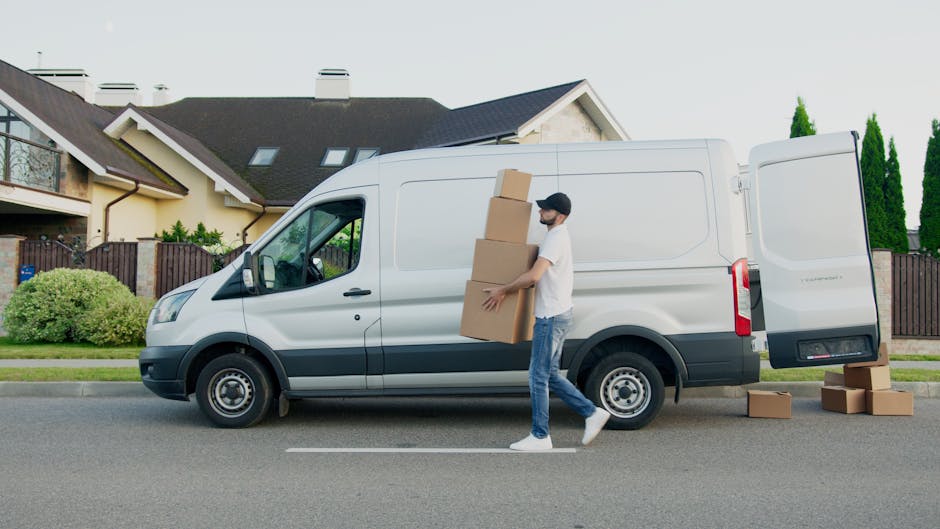
Our man with van in Walthamstow is set up for practical moving work that needs careful handling, sensible loading and a vehicle sized for efficient local transport. Whether you are moving a few rooms of furniture, clearing items from a flat, or shifting business equipment between premises, we keep the service focused on the task in hand. The aim is straightforward: move belongings safely, keep the day organised and give you a clear route to a quotation.
We work across a broad range of removal jobs, from straightforward one-item transport to fuller property moves. That can include man and van removals, general removal services and more specific help where the job needs a lighter-touch approach than a full-size lorry. If you are comparing options, our pricing and quotes page is a useful place to start, especially if you want to understand how the scope of work affects the final figure.
For customers who want a simple first step, the best approach is to outline what needs moving, where it is going and any access issues that may affect loading or parking. A concise list is usually enough to start a conversation. You can contact us to request a quotation, or simply keep reading if you want to understand how the service is typically organised. Clear details help us quote sensibly.
Moving help that suits everyday property jobs
A man and van service is often a good fit when a move does not justify a large vehicle but still needs more care than a straightforward courier run. In practical terms, that can mean helping with boxes, dismantled furniture, white goods, bags, office chairs and other items that should be loaded in a considered order. Our work is built around making those smaller and medium-sized moves feel structured rather than improvised.
We also support customers whose plans change part way through a move. A single collection may turn into a few stops, or a flat move may need an extra hand with awkward furniture once everything is packed. The point is to keep the transport side manageable and predictable. If you need a broader household move, the information on home moves and house removals may be relevant, especially where the work involves several rooms or a fuller day of loading.
For anyone comparing different styles of removal support, it helps to think about the volume of items, the access at both ends and how much lifting is involved. That is often the difference between a simple van job and a more involved removal. If you are unsure which option suits your situation, a short description of the load is usually enough to point you in the right direction. One clear list saves time later.
What can be moved with a van and driver service

The service is suitable for a wide variety of domestic and commercial items, provided they can be handled safely and loaded within the available vehicle space. Common examples include furniture, wardrobes, beds, desks, filing cabinets, boxed belongings and mixed household contents. For many customers, the value of this format is flexibility: it can accommodate a smaller move without the complexity of a larger relocation plan.
It is also useful where items need attention beyond simple transport. A table might need careful protection, a sofa may need to be turned through a narrow hallway, or a set of office materials may need grouping by destination. We can support the movement itself, while you decide how the items should be sorted and prioritised. For services that are more focused on detailed handling, see packing and unpacking services alongside the main moving pages.
Every move begins more smoothly when the load is described clearly. Photographs, item counts and access notes can all help, but they do not need to be complicated. A brief summary of the heavier pieces, the number of rooms and any stairs is often enough to establish a realistic plan. That is particularly useful when a job includes fragile belongings or pieces that need to be carried with extra care. Accuracy matters more than length.
House, flat and single-item removals
Not every move is a full household relocation. Some customers only need a few larger items taken from one address to another, while others need help with a compact flat move or a partial home clearance. Our man with van service is suited to those jobs because it can remain efficient without cutting corners on handling. That makes it a practical choice for students, renters, homeowners and landlords alike.
For larger domestic work, the same approach can scale up into fuller removal support. The pages on house movers and house removalists set out related services that can be helpful when you are moving more than a few key items. Where the move includes a mixture of furniture and loose boxes, we can organise the load so that the vehicle space is used sensibly and items are not buried behind awkward pieces.
If you are arranging a move out of a rented property, it is worth thinking about the order in which items will leave the building. Bulky furniture should usually be considered first, because it affects access and loading space. Smaller boxes can then be fitted around it in a safer way. This is one of the reasons people often ask for a van and driver rather than trying to manage several separate trips on their own.
Office and workplace moves handled with care
Business moves bring different priorities from domestic work. Office furniture, archive boxes, monitors, printers and meeting room equipment all need sensible handling, especially when the move has to fit around trading hours or a fixed handover date. Our service supports those practical requirements by keeping the transport side efficient and by paying attention to how items are loaded and unloaded.
For organisations moving between nearby premises, a smaller vehicle can be the right balance of flexibility and capacity. It is particularly useful when the job is not a full-scale commercial relocation but still involves enough equipment to need coordinated loading. If you are planning workplace relocation, the related pages on office removals and office relocation services explain the broader commercial options that sit around this type of work.
When office items are involved, the main practical questions are usually about access, packing status and how the load should be sequenced. Lifts, stairs, loading bays and parking restrictions can all affect the schedule, so it helps to mention them early. Where a job includes delicate equipment, the key point is not to overfill the van and not to mix loose parts with heavier furniture. Keeping the load ordered helps the whole move stay calmer.
How our moving work is organised

Although every job is different, the basic structure stays familiar. We begin by understanding what needs to move, the size of the load and any special handling requirements. From there, the moving plan can be shaped around access, timing and the type of property involved. That gives you a more realistic basis for a quote than guessing from a simple postcode-to-postcode request alone.
There are a few details that help make the process smoother. An itemised list, even a short one, allows the vehicle size and loading approach to be matched more accurately. If the move involves fragile items, awkward stairs or tight corridors, it is helpful to mention that too. For customers who want to see the broader range of transport options, the pages on moving van, moving truck and removal van can be useful context.
In practical terms, we are usually looking for three things: what is being moved, how much space it will require and whether any item needs special care. That is enough to shape a sensible plan for many local jobs. If you only need one or two bulky items transported, you do not need a complicated description; if the move is larger, a little more detail helps keep the quotation accurate. Simple information often works best.
Choosing the right removal option
Some customers are comparing a man and van with a fuller removal company, while others are simply deciding how much support they need on the day. The right choice depends on scale, access and how much loading assistance is required. A smaller moving job may only need transport and basic help with lifting, whereas a larger move may benefit from a more structured service with extra planning around the route and load.
If you are looking at different service names and wondering what each one means, the pages on removals, removal company and removal companies provide a good overview of the wider category. For some customers, the best answer is a straightforward van move; for others, the move is large enough that a broader removals approach is more suitable. The important point is to match the job to the amount of transport and handling it genuinely needs.
When deciding, think about whether the move contains mostly boxes, mostly furniture or a mixture of both. Also consider whether there are items that can be prepared in advance, such as dismantled beds or emptied cabinets. These small choices can affect how smoothly loading goes. You do not need to have everything perfect before asking for a quotation, but the more clearly the job is described, the easier it is to assess correctly.
About Walthamstow
Walthamstow is a district in east London within the London Borough of Waltham Forest, and it has a layered character shaped by suburban growth, older settlement patterns and continuing urban renewal. The area includes busy high streets, residential streets and pockets of industrial heritage, with Walthamstow Village standing out for its conservation area atmosphere and historic street pattern. The district has long been associated with local manufacturing, markets and transport links, and those influences still sit alongside its more recent cultural life. Walthamstow Market is often described as one of the longest outdoor street markets in Europe, stretching along the High Street and giving the centre a lively, everyday feel. The area is also closely linked with the William Morris Gallery in Lloyd Park, a museum dedicated to the designer, writer and activist who lived nearby at Woodford Hall. Lloyd Park itself provides open space, sports facilities and a contrast to the denser surrounding streets, while the nearby wetlands and reservoirs form part of the Lea Valley landscape to the east. The district is well served by rail, underground and overground connections, and the combination of housing types, from Victorian terraces to later estates and newer developments, gives the place a varied built environment. Local architecture ranges from the intimate lanes of the village area to larger civic and commercial buildings, so the district feels more mixed than a simple residential suburb. As with much of inner and outer east London, its identity is shaped by a blend of long-standing local institutions, changing communities and an active street life that continues to define its centre.
Furniture transport, pick-ups and practical load handling

Furniture is often the most awkward part of a move, especially when it is too large for a car but not large enough to justify a full removal crew. That is where a man with van service can be especially useful. It gives you the space to transport items such as sofas, beds, tables, wardrobes, cabinets and shelving without turning the job into a complex relocation project. The focus stays on safe movement and efficient loading.
Single-item transport can be just as important as larger household work. A private seller might need a dining set collected, a landlord may need a bed moved into storage, or a business may need surplus desks taken to another site. The page on furniture pick-up is relevant when the job centres on one or a few objects rather than a full move. In those cases, it still helps to mention dimensions and access, because a large item can alter the whole loading plan.
We can also support moves that are partly about rearranging rather than relocating. For example, some people need items moved from a storage space into a home, or from one room to another after refurbishment. In those situations, the practical questions are about protection, carrying routes and how to keep heavier objects from being damaged during the process. It is usually better to plan the load around the biggest piece first and then build around it.
Planning the move and requesting a quotation
The clearest quotation requests usually include the pickup and delivery locations, a list of the main items and any access notes that affect time or loading. If there are stairs, tight entrances, permit-controlled parking or a need to work around a particular slot, it is best to mention that early. That gives a more realistic basis for the quote and avoids unnecessary back-and-forth later on. If you already know roughly how many boxes or large pieces are involved, include that too.
For many customers, a short written summary is enough. You do not need to produce a perfect inventory before asking for a quote, but the more accurate the outline, the easier it is to judge vehicle size and timing. Where the work involves a broader home move, the information on man with van and man with a van may also help if you are comparing wording across related services. A well-described job is much easier to organise.
If you are ready to move forward, use the contact details on the site and ask for a quotation based on your own load and route. You can keep it simple and still get a useful response. Tell us what needs moving, when you need it done and whether any pieces require extra care. Request your quotation today.
Service standards, safety and useful next steps

Moving work benefits from a sensible approach to safety, especially where heavier furniture, uneven access or multiple stops are involved. We therefore keep the work centred on careful lifting, orderly loading and practical handling rather than unnecessary speed. Where relevant, that can also mean making use of related information on insurance and safety, which sets out the general principles customers may wish to review before arranging a move.
Some jobs are straightforward, while others call for a little more preparation. A small flat move, a furniture collection and an office equipment transfer all share the same basic need: the load must be described clearly enough to match the right approach. If you are still deciding, the pages on commercial moves and removals near me can provide broader context, especially if you are comparing local removal options rather than a single service type.
When you are ready, ask for a quotation and include the main details in one message if possible. That gives you a simpler starting point and makes it easier to assess the job properly. If your move includes several items, think about grouping them by room or destination before you enquire. That small bit of preparation often makes the quote easier to read and compare.