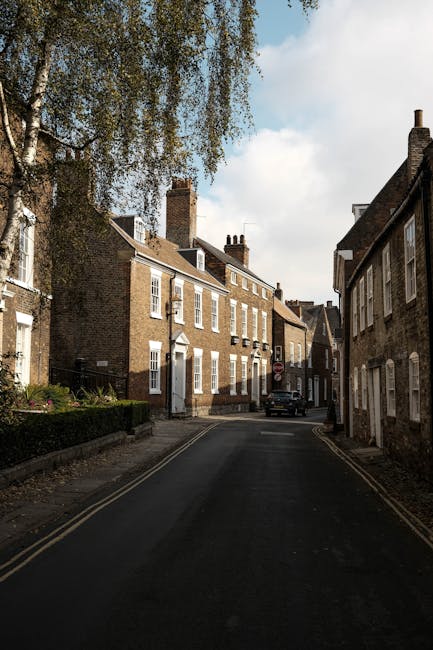
Walthamstow Village house removals guide for narrow streets
Posted on 27/07/2026
Moving house in Walthamstow Village sounds simple on paper. Then you meet the narrow streets, the tight turns, the parked cars, the odd one-way stretch, and the realisation that a removal van cannot magically fold itself in half. If you are planning a move here, this Walthamstow Village house removals guide for narrow streets is here to help you do it properly, without the usual stress, scratches, or last-minute panic.
The good news? A narrow-street move is absolutely manageable with the right planning. In fact, some of the smoothest house moves happen in places like Walthamstow Village, because experienced movers know how to break the job down into access checks, timing, packing, and vehicle choice. This guide walks you through the whole process in plain English, with practical steps, local realities, and a few things people often only learn the hard way.
If you are comparing moving support, it can help to read about house removals in Walthamstow alongside the broader removals Walthamstow overview so you can see how different move sizes and access challenges are typically handled.
Contents
- Why Walthamstow Village house removals guide for narrow streets matters
- How Walthamstow Village house removals guide for narrow streets works
- Key benefits and practical advantages
- Who this is for and when it makes sense
- Step-by-step guidance
- Expert tips for better results
- Common mistakes to avoid
- Tools, resources and recommendations
- Law, compliance, standards, or best practice
- Options, methods, or comparison table
- Case study or real-world example
- Practical checklist
- Conclusion
- Frequently asked questions
Why Walthamstow Village house removals guide for narrow streets Matters
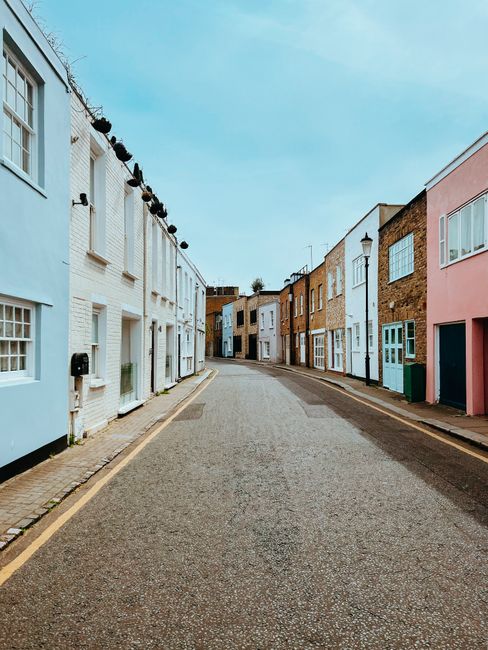
Walthamstow Village is lovely, but it is not a wide-boulevard kind of place. The streets can be compact, parking can be awkward, and the margin for error is smaller than in newer housing areas. That matters because moving day is already full of moving parts. Add limited space and you get a logjam very quickly.
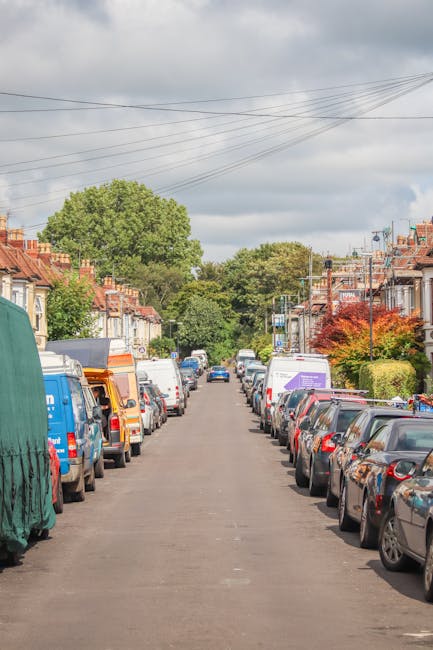
A narrow street changes almost everything about a house move: where the van can stop, how far porters must carry furniture, whether a larger vehicle can even turn safely, and how much time is needed for loading. If you ignore those details, a straightforward move can become a slow, frustrating one. To be fair, most problems in this area are not dramatic. They are just annoying, and annoying is enough when you are carrying a sofa down a tight hallway at 8:30 in the morning.
There is also a local rhythm to moving here. School runs, neighbours' cars, cyclists, delivery vans, and the general London habit of always being in a hurry can all affect access. A good move plan respects the street first and the furniture second. That sounds blunt, but it is true.
For readers who want a wider feel for the neighbourhood before moving, the article on living in Walthamstow from a local perspective is a useful companion piece, especially if you are still settling on exactly where in the area you want to live.
How Walthamstow Village house removals guide for narrow streets Works
At its core, a narrow-street house move is about reducing friction. The less the crew has to improvise on the day, the better the result. That usually means planning access in advance, choosing the right vehicle, and making sure the property is ready before the van arrives.
The process normally starts with an access check. Someone needs to think through questions like: Can the van park close enough? Will the vehicle need to stop across the road? Is there enough space to unload without blocking a junction or causing a mess for neighbours? Are there height restrictions, sharp corners, low branches, or resident-only parking issues to work around?
Then comes vehicle planning. A smaller removal van or a flexible man and van service may be more practical than a larger lorry if the street is especially tight. That does not mean the job is "small" or less professional. It simply means the right vehicle is the one that can actually get in and out without drama.
Finally, the move itself is organised in stages. Load the easy items first, protect the awkward ones, keep the hallway clear, and work in a steady rhythm. The best teams are efficient but not frantic. You can hear it in the sound of taped boxes and felt pads sliding over floors, and, yes, in the brief sigh of relief when a wardrobe finally makes it around a corner.
If you are comparing service types, the pages for man with a van in Walthamstow and man and van Walthamstow can help you judge whether a more compact vehicle setup suits your street access.
Key Benefits and Practical Advantages
When you plan properly, narrow streets stop being a problem and become just another constraint to work with. That shift matters. It keeps the move controlled, predictable, and far less tiring.
- Less risk of damage - careful planning reduces knocks to walls, door frames, banisters, and furniture edges.
- Better time control - if the van can park sensibly, loading and unloading are faster and less chaotic.
- Lower stress for everyone - you are not standing on the pavement wondering where the van will fit next.
- Smarter vehicle choice - smaller vans often mean better access and fewer failed parking manoeuvres.
- Cleaner neighbour relations - keeping a move tidy and efficient is simply kinder to the street.
There is also a cost benefit, though it is not always obvious at first. If your move is planned well, you are less likely to pay for wasted time, extra carrying distance, or avoidable second trips. That can be a real difference on a local move, especially where access is tight.
Another upside: better packing often comes with better unpacking. Once you have labelled and grouped your items properly, the new house feels organised sooner. A weird little victory, but a victory all the same.
Who This Is For and When It Makes Sense
This guide is for anyone moving in or out of Walthamstow Village where the street layout is likely to complicate access. That includes terrace houses, period homes, converted properties, small family houses, and upper-floor flats accessed through narrower entrances.
It is especially useful if you are:
- moving from a road with limited parking or a tight turning circle
- handling bulky furniture such as wardrobes, beds, sofas, or bookcases
- moving with children, pets, or elderly family members in the property
- working to a fixed completion day and need the move to run smoothly
- comparing a full removals service with a smaller van-based option
It also makes sense if this is your first proper London move. Many people underestimate how much a narrow street affects the day. Then the van arrives and, well, reality does its thing.
If you are a student moving locally, or moving out of a compact rental with lots of stairs and sharp corners, a more tailored approach may be more efficient. For that kind of move, it can be worth looking at student removals in Walthamstow or flat removals in Walthamstow.
Step-by-Step Guidance
The easiest way to handle a narrow-street house move is to treat it like a sequence, not a single event.
- Survey the access
Walk the street and check where a van could realistically stop. Look for corner pinch points, parked cars, bins, low trees, and anything that could block loading. - Measure the awkward items
Do not guess. Measure large furniture, mattresses, appliances, and anything that has to pass through tight doorways or stairs. - Decide the van size
A smaller, more manoeuvrable van is often better than a bigger one that cannot park near the door. Bigger is not always wiser. - Pack for carrying distance
If the van has to park farther away, boxes need to be sturdy, sealed, and easy to lift. Heavy books in oversized boxes? No thank you. - Reserve the best loading window
Choose a time with lighter traffic if possible. Early mornings can work well, though local conditions vary. - Clear the exit route
Hallways, front gardens, stairwells, and front steps should be uncluttered. Put shoes, plants, and loose items away before moving day. - Protect the property
Use floor coverings, blankets, and door protection where needed. It is a small step that saves a lot of muttering later. - Load in a sensible order
Start with heavier, sturdier items. Keep essentials and fragile pieces separated and clearly labelled. - Check the new property first
Before anything is unloaded, confirm the safest route inside and where large items should go. It avoids the awkward "um, actually, not there" moment.
One useful habit: keep a "last off, first needed" box. Kettle, mugs, chargers, loo roll, snacks, all the small things people forget until evening. It sounds obvious, but moving day brain is a real condition.
Expert Tips for Better Results
In narrow streets, the difference between a smooth move and a stressful one is often hidden in the details. The following tips are simple, but they tend to matter more than fancy packaging ever will.
- Use smaller boxes for heavy items. A dense box is easier to carry and less likely to burst open halfway down the pavement.
- Disassemble what you can. Bed frames, table legs, and shelving units are easier to move in pieces.
- Book parking support early. If your move requires special parking arrangements, do not leave it to the last minute. Local access depends on timing.
- Label by room and priority. "Kitchen - day one" is much more useful than a box full of mystery tape.
- Keep neighbours in the loop. A quick heads-up can reduce friction, especially if the street is very tight.
- Protect the stairwell first. In many Village homes, the real bottleneck is not the front door, it is the stairs.
If you are moving something fragile or awkward, ask whether specialist handling is needed. That can include mirrors, antiques, large artwork, or upright pianos. For items like that, it may be worth looking at furniture removals in Walthamstow or even piano removals in Walthamstow if the job has genuinely delicate pieces.
A small human note here: people often over-focus on the van and under-focus on the doorway. Yet the doorway is where most of the real negotiation happens. Funny, in a dry sort of way.
Common Mistakes to Avoid
Most moving-day setbacks in narrow streets come from predictable mistakes. Nothing exotic. Just rushed planning or optimistic assumptions.
- Assuming the van will fit anywhere. It might not. Measure the street access properly.
- Using oversized boxes. They look efficient until you try carrying them down a narrow path.
- Leaving parking too late. A van that has nowhere legal or practical to stop causes a chain reaction of delays.
- Forgetting the internal route. Front garden, hallway, stairs, landing, exit. Every step matters.
- Not clearing fragile items first. Lamps, plants, framed pictures, and loose decor get damaged easily in a busy move.
- Failing to measure large furniture. This is where wardrobes and sofas become an unexpected group project.
- Trying to do too much at once. If the move is complex, split it into load, transport, unload, and settle-in stages.
One more thing: do not assume a same-day emergency move is the best answer simply because the date is close. Sometimes the smarter move is to plan a smaller, staged relocation. If timing is tight, though, a same-day removals service in Walthamstow can be the right fallback.
Tools, Resources and Recommendations
You do not need a mountain of equipment, but a few well-chosen tools make a narrow-street move far easier.
| Tool or resource | Why it helps | Best use |
|---|---|---|
| Sturdy small boxes | Safer to lift and easier to stack | Books, kitchenware, mixed household items |
| Furniture blankets | Reduces scuffs during tight manoeuvres | Sofas, tables, wardrobes, cabinets |
| Floor protection | Helps preserve hallways and stairwells | Older homes and high-traffic routes |
| Labels and marker pens | Speeds up unloading and room placement | Every box, honestly |
| Storage option | Takes pressure off moving day | Staged moves or short-term overflow |
If you need extra time between properties, storage in Walthamstow can make a cramped move feel much more manageable. Likewise, if you are not sure how to pack efficiently, the page on packing and boxes in Walthamstow is a sensible place to start.
For a broader view of services, the services overview is helpful when you want to compare full removals, van-only support, and more tailored moving help.
Law, Compliance, Standards, or Best Practice
House removals in narrow streets are not just about muscle. There are safety and legal expectations to keep in mind, especially in London where roads, parking, and loading conditions can become sensitive quickly.
Best practice usually includes checking that parking is lawful and safe, not blocking access for emergency vehicles, and making sure lifting is handled sensibly. Removal teams should also use practical moving methods that reduce the risk of injury and property damage. In plain terms: do not overreach, do not improvise badly, and do not force a sofa where it clearly does not want to go.
Good operators will also think about insurance, equipment safety, and the handling of fragile or heavy items. If you are comparing providers, it is worth looking at their stated approach to insurance and safety and their health and safety policy. That does not guarantee perfection, of course, but it does show whether the company takes the basics seriously.
If your move involves recycling unwanted items, it is also sensible to choose a provider that understands disposal and reuse properly. The page on recycling and sustainability is a good reference point for that kind of approach.
And yes, paperwork matters too. Terms, payment handling, and complaint routes are part of a trustworthy service, not boring extras. A decent company should be clear about terms and conditions, payment and security, and complaints procedures. A bit dull, maybe. Still important.
Options, Methods, or Comparison Table
Not every move in Walthamstow Village needs the same setup. The best option depends on access, furniture volume, and how much help you want on the day.
| Option | Best for | Strengths | Possible drawback |
|---|---|---|---|
| Man and van | Smaller moves, compact access, flexible timing | Easier to park, often more agile on tight streets | May be less suitable for larger household loads |
| Full house removals | Whole-home moves with more furniture | More hands, more structure, better for bigger jobs | Needs more planning where access is tight |
| Van-only support | People who can load lightly and want transport help | Cost-effective and practical for local moves | Less support with heavy lifting |
| Storage plus phased move | Complex handovers or delayed completion dates | Reduces pressure and keeps items secure | Requires extra planning and handling |
If you are trying to choose between options, the right question is not "What is the biggest vehicle?" It is "What can get to my door safely, and how much handling will the furniture need?" That is the real decision point.
Case Study or Real-World Example
Here is a realistic example. A couple moving from a Victorian terrace in Walthamstow Village had a manageable amount of furniture: a bed frame, sofa, dining table, boxes of books, kitchen items, and a few fragile lamps. On paper, it sounded like a straightforward half-day move. The problem was the street.
The road was narrow, parking was tight, and the front door sat a good distance from the safest stopping point for the van. Instead of trying to force a larger vehicle into a poor spot, the move was planned around a smaller van and a short carry route. The couple packed heavier items into smaller boxes, disassembled the bed, and cleared the hallway the night before. Not glamorous, but very effective.
On moving day, the team loaded in stages, kept the pavement clear, and wrapped the more delicate furniture before bringing it through the narrow entrance. The result was not magical. It was just orderly. And orderly is often what wins in places like this.
The biggest lesson from that kind of move is simple: access is part of the job, not an afterthought. Once you respect that, everything gets easier.
Practical Checklist
Use this before moving day. Print it, copy it to your phone, scribble on it, whatever works.
- Measure large furniture and doorways
- Check the narrowest street points and likely parking spots
- Confirm your moving date and arrival window
- Pack heavy items into smaller boxes
- Label boxes by room and priority
- Disassemble furniture where possible
- Protect floors, stairs, and door frames
- Keep essentials in one clearly marked bag or box
- Tell neighbours if access may be affected
- Prepare keys, paperwork, and payment details in advance
- Set aside items for recycling, donation, or storage
- Check the route into the new property before unloading
One tiny but useful habit: leave yourself ten extra minutes before the van arrives. That little buffer can stop the entire morning from feeling rushed. It really can.
Conclusion
A successful move in Walthamstow Village is less about brute force and more about fit. Fit the right vehicle to the street, fit the packing to the carry distance, and fit the plan to the reality of the neighbourhood. Once you do that, the narrow streets stop being a nuisance and start being just part of the local landscape.
Whether you are moving a small flat, a family home, or a house full of awkward furniture, the same principle holds: plan the access first, then build everything else around it. That approach saves time, reduces damage, and makes moving day feel far more manageable. Not perfect. Just better. And sometimes better is exactly what you need.
If you are still weighing up your next step, take a look at the relevant service pages, compare the options carefully, and choose the approach that matches your street, not just your inventory. Calm planning beats rushed lifting every time.
Get a free quote today and see how much you can save.
When the boxes are stacked and the last lamp is wrapped, the whole thing usually feels less impossible than it did the week before. That's moving for you.